The Answerable Counter: Keeping Specs Within Arm’s Reach

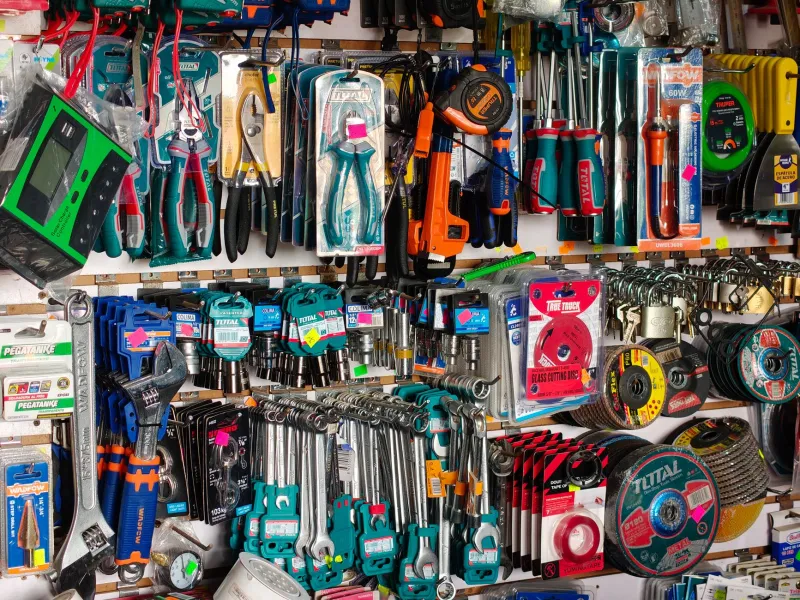
Photo by Photo by Mangopear creative on Unsplash on Unsplash
A trade counter can have all the right stock and still lose the sale. The buyer is standing there with a job in mind, a van outside and a question that needs settling. If the answer is buried in a folder under the till, the sale becomes a maybe. If the answer is within reach, the sale usually becomes a yes.
That is the practical case for keeping technical information close to the conversation. Not as a compliance exercise. Not as a wall of ring binders nobody opens. As a selling tool that reduces returns and speeds up decisions.
The question behind the sale
Most counter questions are not abstract. They sound like this: will this grab adhesive hold a dado rail on painted plaster? Can this foam be used when the temperature is hovering around five degrees? Does this sealant take paint, and how soon? What coverage should I expect from a cartridge on a brick wall?
A buyer who gets a clear answer buys with confidence. A buyer who gets a shrug either walks away or buys the wrong thing and comes back with it. Both outcomes cost the counter money. One costs the sale; the other costs the sale, the return, the admin and a bit of trust.
The data sheet is not there to impress anyone. It is there to settle the question in front of you.
File by job family, not by supplier
The first mistake is organising technical information the way it arrives — by manufacturer, then by product code. That suits the person filing it. It does not suit the person serving a customer who wants to know which sealant works on damp brick.
A more useful system is to group information by product family: sealants and fillers, adhesives, foams, fixings, abrasives, PPE, and so on. Within each family, keep a small set of current documents: the data sheet, a coverage guide, a compatibility note, and a short list of known limitations. One laminated summary card per family is often enough for the counter. The full sheet can live behind it or online.
The important discipline is removal. A superseded data sheet is worse than no data sheet. It gives a confident wrong answer. Set a quarterly check, or tie the review to your stock review, so old formulations and discontinued lines do not linger in the folder.
The thirty-second conversation
Counter staff do not need to memorise every technical detail. They need a repeatable way to get to the useful part quickly. A simple three-question habit works well:
- What is the surface or substrate?
- What are the conditions — cold, damp, dusty, painted, oily?
- What does the job need to do — fill, bond, seal, finish, load?
From there, the answer should be one clear recommendation, one caveat, and one alternative if the first choice is not in stock. That is a thirty-second exchange, not a seminar. The data sheet is there to back up the answer, not to be read aloud.
If the answer is not on the sheet or not in the staff member’s experience, say so and check. A logged “let me confirm that” is far better than a guess. Trade customers respect a counter that knows what it knows.
Labels that lead somewhere
Shelf labels can do more than show price and product code. A short spec pointer on the label — coverage per cartridge, drying time, temperature range, suitable substrates — saves a lot of questions before they start. For lines that generate frequent technical queries, a simple QR code linking to the online data sheet is a practical addition.
Keep it consistent. One URL pattern, one place for the current sheet, one clear date on the page. Do not scatter codes across multiple sites or leave links pointing to old PDFs. If a formulation changes, the online sheet and the label need to change with it.
Not every line needs this treatment. Reserve the extra labelling for the products where the question is common and the wrong purchase is expensive. That keeps the shelf clean and the system usable.
Range discipline makes the information work
Technical information is only useful if the range is understandable. A counter with forty similar sealants and no clear difference between them makes the data sheet a burden rather than a help. A tighter core range — with one or two alternatives where genuinely needed — makes the conversation easier and the answer more likely to stick.
If a line has poor data, missing compatibility notes or a habit of coming back, question whether it deserves the shelf. In 2026, buyers often check specifications online before they come in. The counter should be able to match that level of information, not fall behind it.
A winter note
Cold and damp conditions make technical detail more important, not less. Sealants, adhesives and foams have temperature limits and cure times that matter on site in November. A seasonal compatibility card near the winter lines is a small thing that prevents a lot of callbacks. It also gives staff a prompt when the conversation is moving fast.
The counter is not a library. It is a service point. Keeping the right information within arm’s reach — filed by job, summarised on a card, backed by a link — makes it easier for trade customers to buy the right product first time. That is good for them, and it is good for the counter.